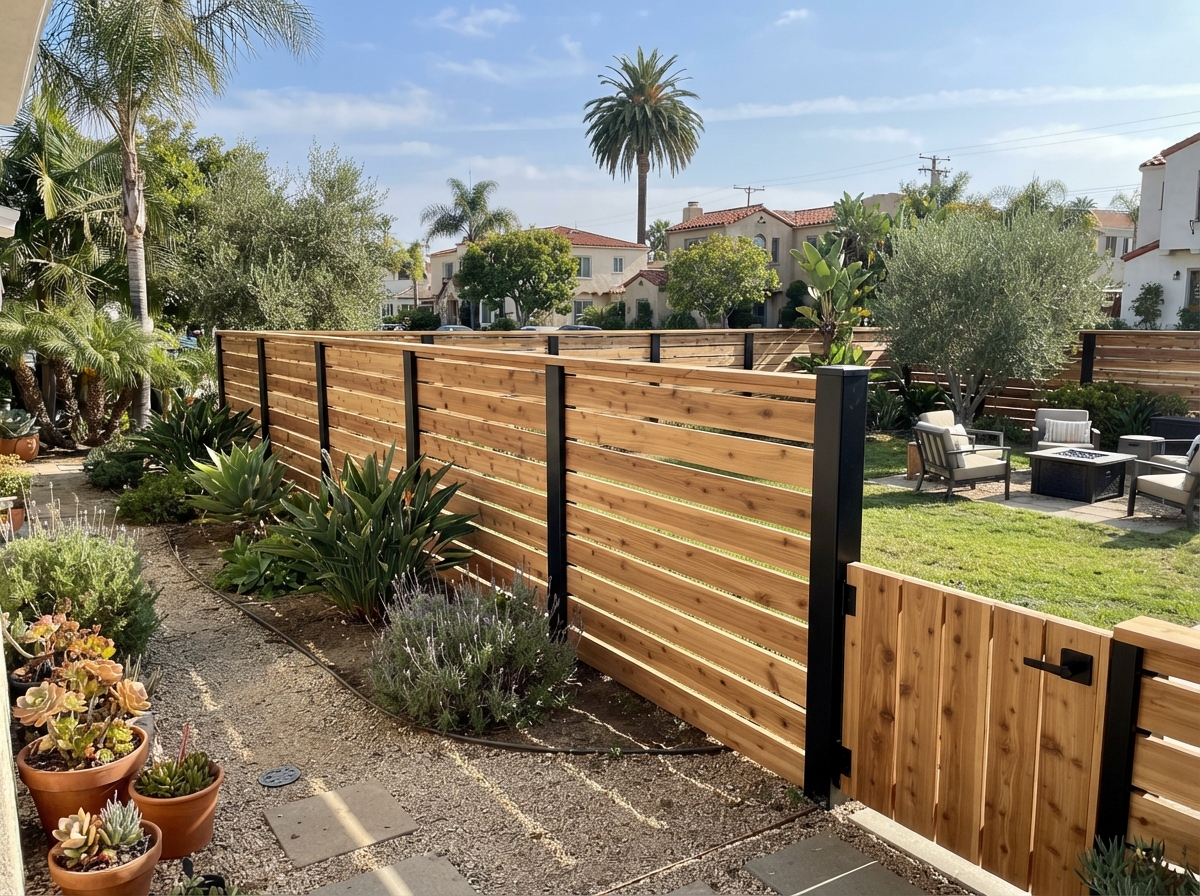
Wood vs. Composite Fencing: Which Is Best for Long Beach Coastal Homes?
Comparing redwood and cedar versus low-maintenance composite fencing for Long Beach's salt-air climate. Cost, lifespan, maintenance, and curb appeal breakdown.
Why Material Choice Matters in Long Beach
Long Beach sits right on the Southern California coast, which means homes in Belmont Shore, Naples Island, and the Peninsula are exposed to salt-laden ocean air year-round. That marine layer does more than fog up windows — it accelerates corrosion in metal hardware, breaks down low-grade sealants, and can shorten the lifespan of a fence that isn't built for the environment. Choosing between wood and composite fencing isn't just about aesthetics; it's about selecting a material that will hold up to the specific conditions found across Long Beach neighborhoods.
Homeowners in Bixby Knolls or California Heights, farther inland from the immediate coastline, face a slightly milder microclimate but still deal with intense sun exposure and occasional Santa Ana winds. The right fence material balances durability, privacy, and curb appeal while fitting the architectural character of the neighborhood.
Wood Fencing in Long Beach: Redwood and Cedar
Redwood and cedar remain the most popular wood fencing choices for Long Beach homes, and for good reason. Both species contain natural oils that resist rot and insect damage, making them well-suited for the coastal climate. Redwood, in particular, offers a rich, warm tone that complements everything from Craftsman bungalows in Bluff Heights to mid-century ranch homes in El Dorado Park.
A properly sealed redwood privacy fence can last 20 to 25 years in Long Beach, though the salt-air exposure in beach-adjacent areas like Alamitos Heights may require resealing every two to three years rather than the standard three to five. Cedar is slightly more affordable and still delivers excellent longevity — typically 15 to 20 years with routine maintenance.
The main advantage of wood is its versatility. It can be stained to match any home exterior, cut into custom designs for sloped lots (common in the Bluff Park area), and repaired board-by-board if a section is damaged. Wood fences also provide genuine, natural warmth that composite materials struggle to fully replicate.
Composite Fencing: Low-Maintenance Privacy for Coastal Living
Composite fencing — made from a blend of recycled wood fibers and plastic — has gained significant traction in Long Beach over the past decade. Brands like Trex and Simtek offer products specifically engineered to withstand moisture, salt air, and UV exposure without warping, rotting, or fading. For homeowners in Seal Beach or Sunset Beach where the marine layer is thickest, composite can be an attractive set-and-forget option.
Composite fencing typically carries a 25- to 30-year manufacturer warranty and requires no staining, sealing, or painting. A simple wash with soap and water once or twice a year is all the maintenance needed. The material is also impervious to termites, which can be a concern in older Long Beach neighborhoods with mature trees.
The trade-off is cost. Composite fencing runs roughly 30 to 40 percent more upfront than a comparable wood fence. However, when factoring in the eliminated maintenance costs — stain, sealant, labor — over a 20-year period, composite often breaks even or comes out ahead.
Cost Comparison for Long Beach Homeowners
For a standard 7-foot privacy fence covering a typical Long Beach residential lot (approximately 150 linear feet), redwood fencing starts at $45 per linear foot installed. Cedar comes in slightly lower, also starting at $45 per linear foot. Composite fencing starts at $75 per linear foot, depending on the brand and style selected.
It's worth noting that fence permits in Long Beach require a specific review process, and height restrictions vary by zone. In some historic districts like Carroll Park or the California Heights Landmark District, material and design guidelines may influence what can be installed. A knowledgeable fence specialist can navigate these requirements and ensure compliance.
Which Material Is Right for Your Long Beach Home?
The answer depends on priorities. For maximum curb appeal, natural warmth, and design flexibility at a lower initial cost, wood — specifically redwood or cedar — is hard to beat. For homeowners who want zero maintenance and maximum longevity, especially in beachfront or near-coast neighborhoods, composite is the clear winner.
Many Long Beach homeowners opt for a hybrid approach: wood fencing for the majority of the property with a composite section facing the ocean or alley where exposure is harshest. This balances budget with performance and is a strategy worth discussing during a project consultation.
Fence Materials — Frequently Asked Questions
Have a Fence or Gate Project in Mind?
Get expert guidance on wood fencing, composite privacy walls, metal gates, or fast repairs across Long Beach and surrounding communities.
Related Articles
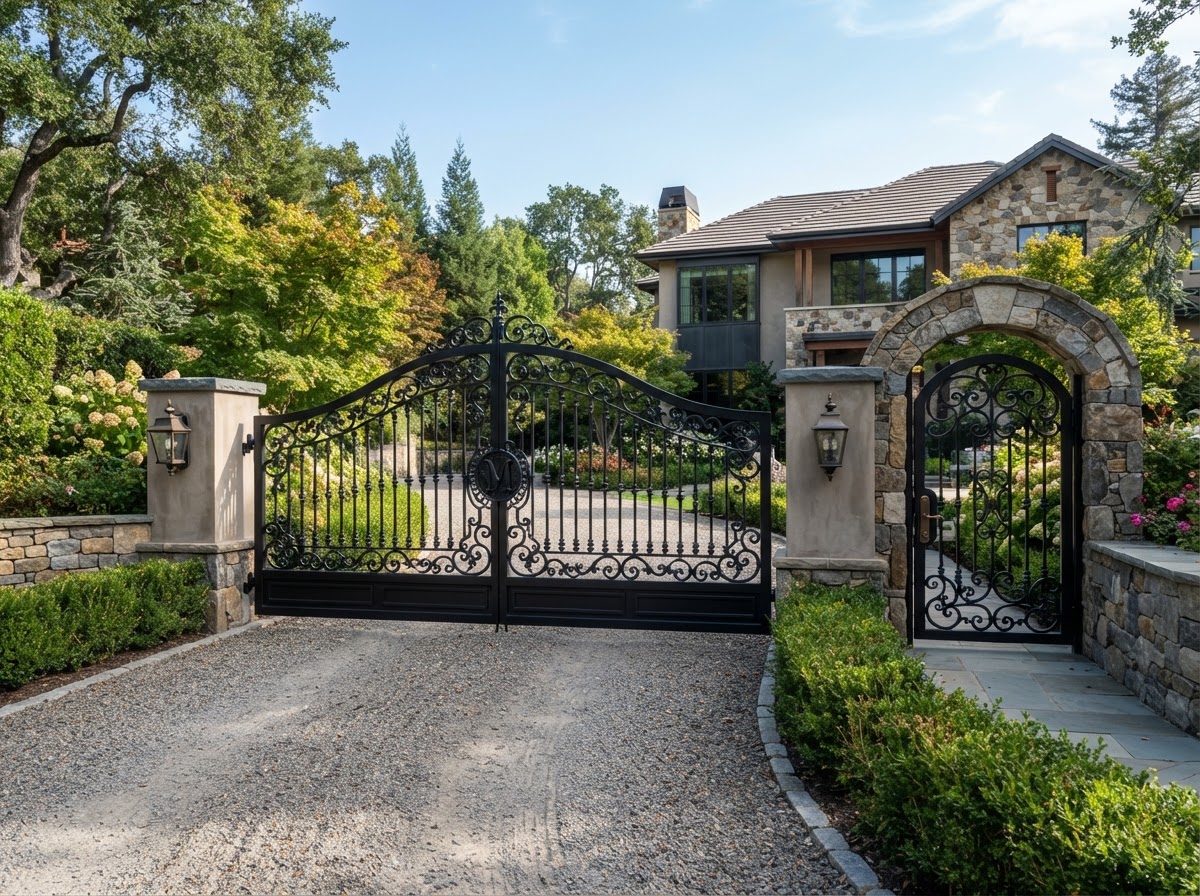
How to Choose the Right Driveway Gate & Automatic Opener in Long Beach
A complete guide to selecting wrought iron, aluminum, or wood driveway gates with LiftMaster automation for Long Beach homes. Keypads, smart controls, and safety sensors explained.
Read Article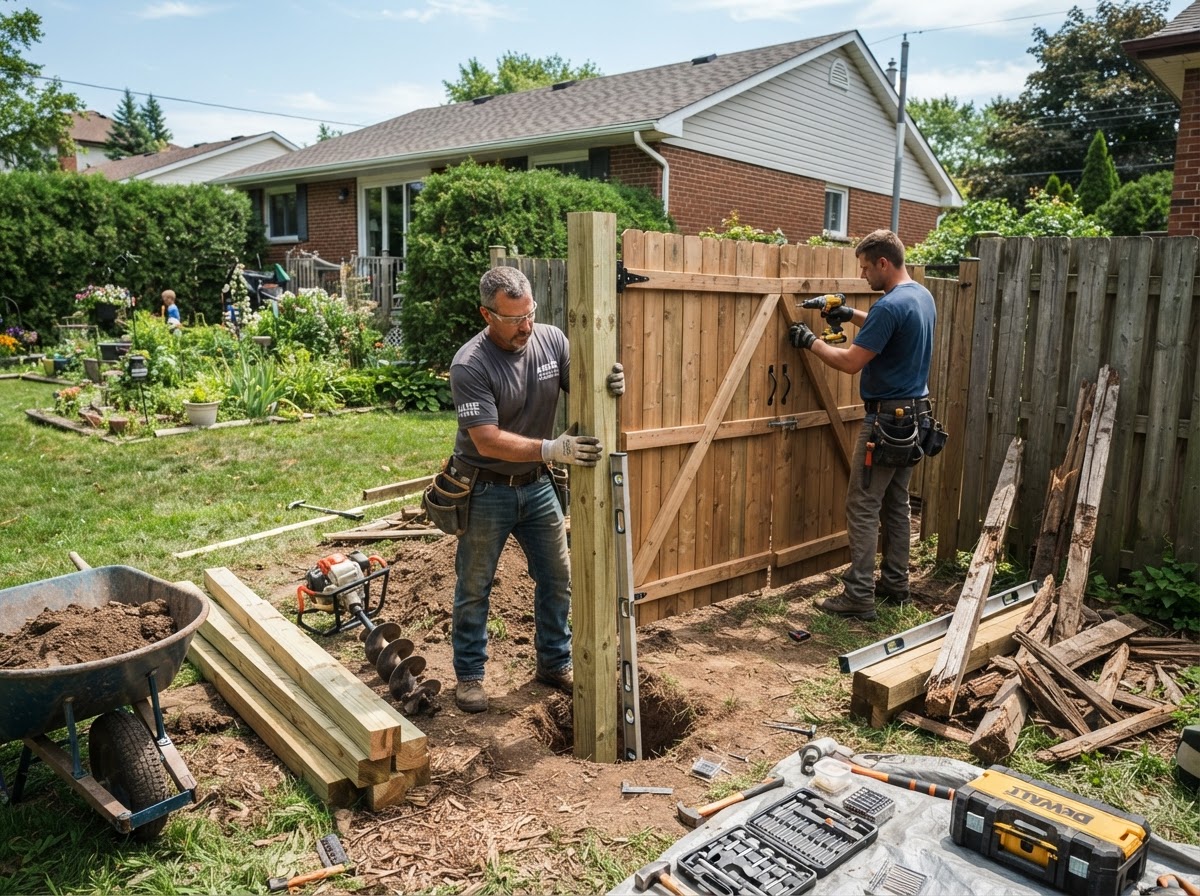
5 Signs Your Fence Needs Repair Before It Becomes a Costly Replacement
Leaning posts, sagging gates, rot at the ground line, rusted hardware, and wind damage — learn the warning signs that mean a fast repair can save thousands over full replacement.
Read Article